
Interior design is moving in two directions at once.
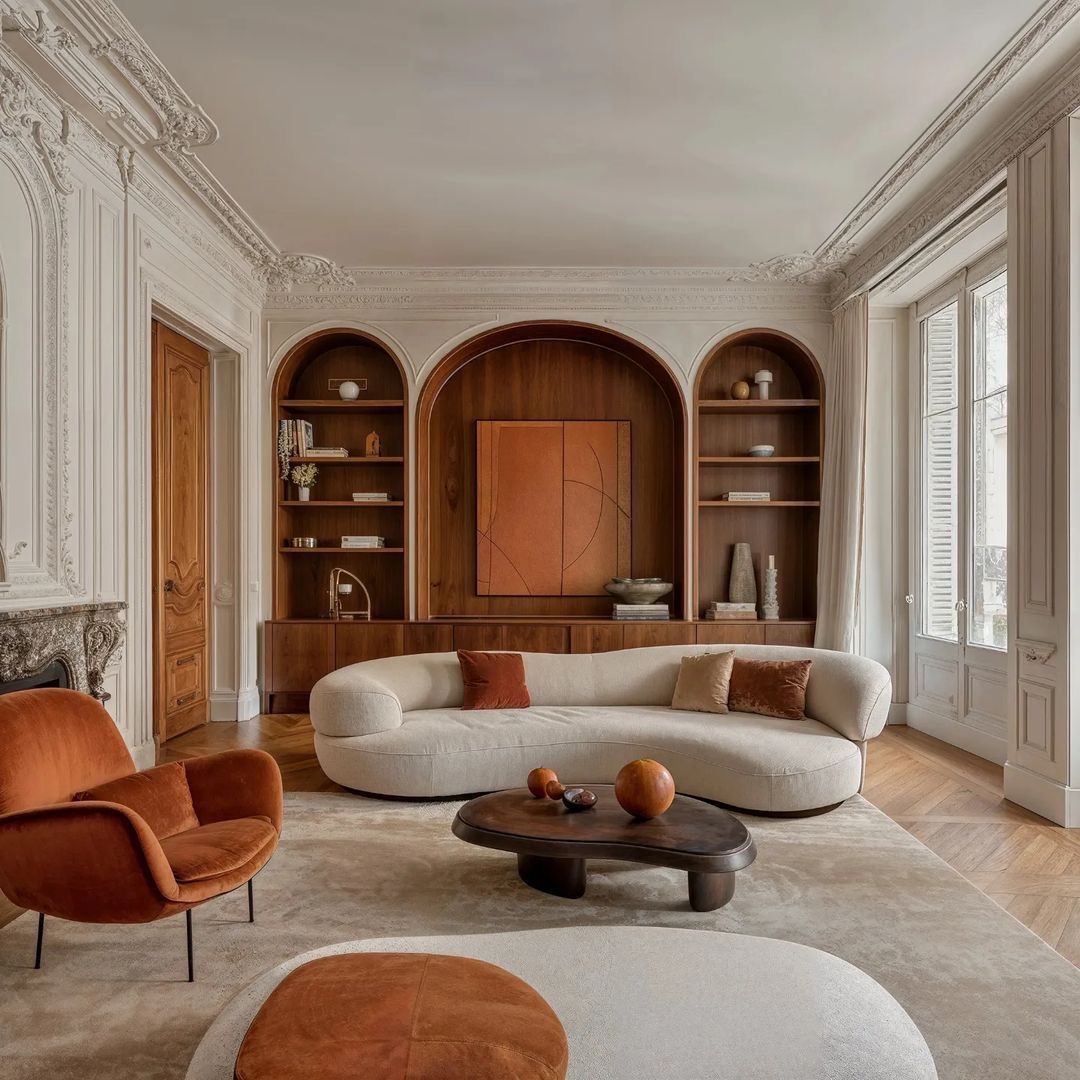
One celebrates color, humor, nostalgia and expressive choices. The other favors calm compositions, tactile materials and understated elegance. Although their visual languages may seem distant, both reflect the same desire: homes with greater personality, emotional connection and a clear point of view.
Pinterest’s 2026 trend report identified 21 emerging movements across décor, fashion, beauty, travel and culture after analyzing search behavior and the visual content attracting attention on the platform. Within interiors, FunHaus, Afrohemian Decor, Neo Deco and Extra Celestial stand out as some of the clearest expressions of this new appetite for character.
The signals already visible in 2026 suggest that many of these ideas may continue evolving through 2027, especially when they are translated into lasting architectural decisions instead of temporary styling.
1. Dopamine Decor: Interiors Designed to Create Emotion
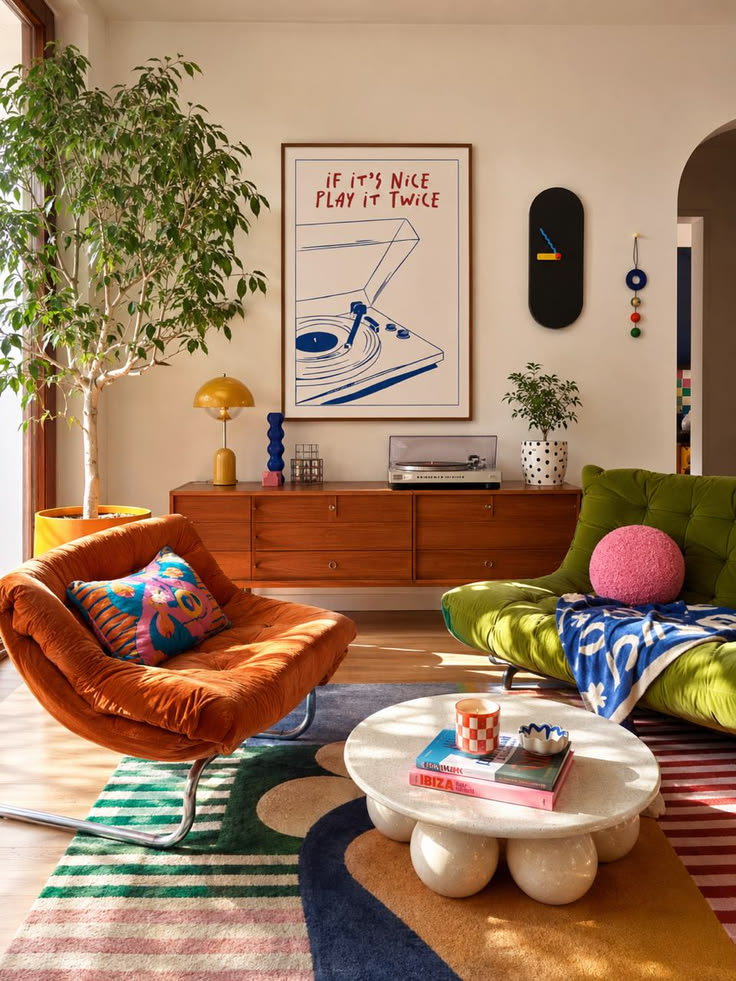
Dopamine Decor brings together bold color, expressive patterns, inviting textures and objects connected to memory, humor or personal interests. Architectural Digest describes the movement through vibrant colors, eclectic prints, tactile elements and a strong sense of nostalgia.
The name may sound playful, but the approach can be carefully curated. A room does not need every surface to compete for attention. Personality can enter through a colored cabinet, an unexpected finish, a graphic rug, a sculptural lamp or a collection of meaningful objects.
The strongest Dopamine Decor interiors feel collected and personal. Their energy comes from choices that genuinely resonate with the people living there.
2. The Many Expressions of Playful Maximalism
Pinterest Predicts 2026 shows that expressive design is developing into a family of distinct visual worlds.
FunHaus
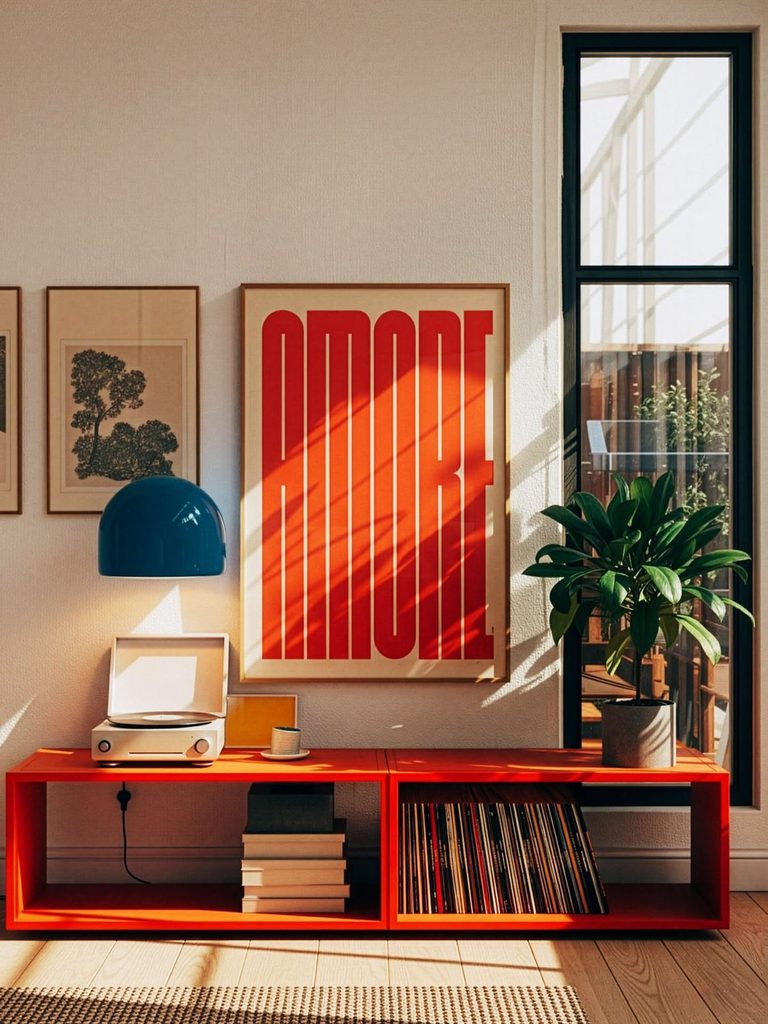
FunHaus draws from circus imagery through bold stripes, sculptural silhouettes and a polished touch of theatrical charm. Pinterest describes it as an elevated interpretation of circus-inspired décor, combining humor with visual impact.
This influence can appear through striped surfaces, curved furniture, playful proportions and pieces that immediately become conversation starters.
Neo Deco
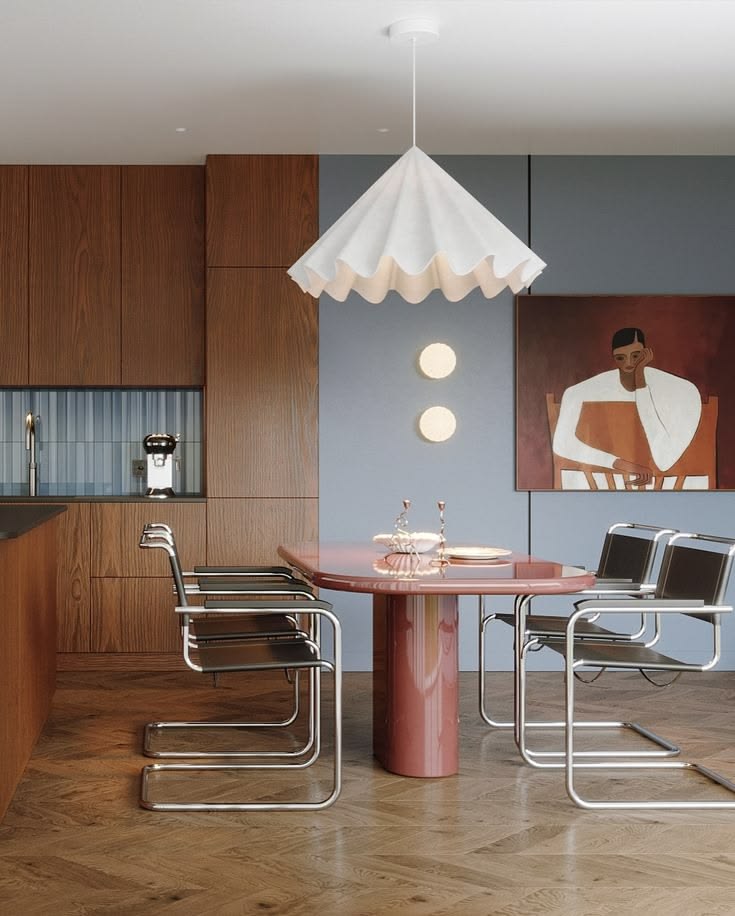
Neo Deco revisits Art Deco geometry through chevrons, fan-shaped arches, metallic details and dramatic forms. Chrome and brass bring a contemporary finish to the glamour associated with the original movement.
The result feels polished and confident, especially when applied through cabinetry details, lighting, hardware or a single architectural feature.
Afrohemian Decor
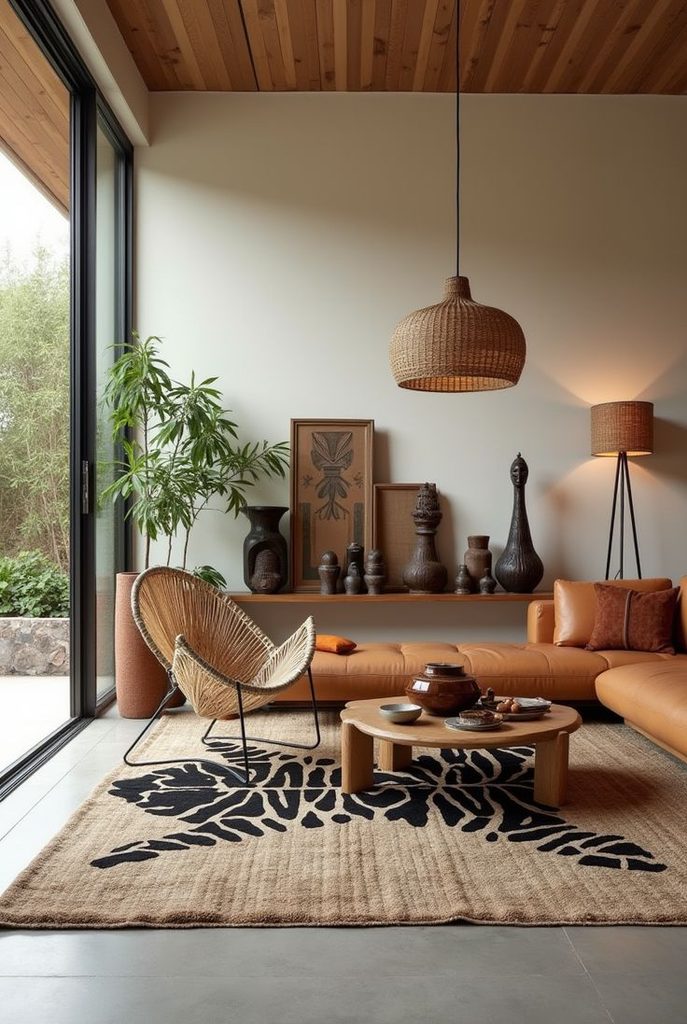
Afrohemian Decor combines bohemian layering with African art, textiles and craftsmanship. Pinterest highlights elements such as Nigerian adire fabric, Ethiopian wall art, woven baskets, bamboo details and natural-fiber rugs.
It creates rooms rich in pattern, history and cultural reference, with an atmosphere that feels layered over time.
Other Visual Directions
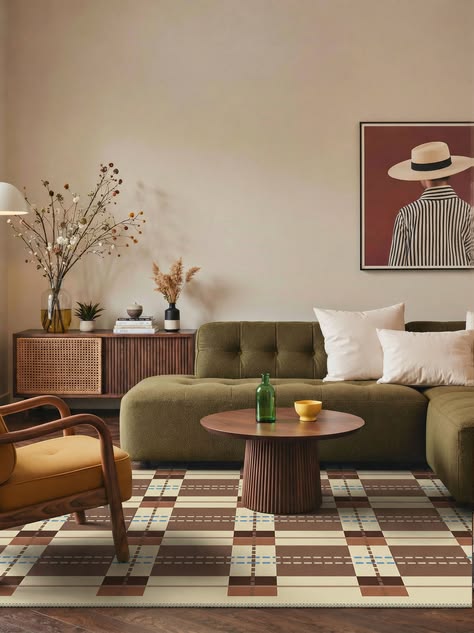
Glitchy Glam, Vamp Romantic, Mystic Outlands, Cool Blue and Khaki Coded were also included in Pinterest’s broader cultural forecast. They were not all presented exclusively as home décor trends, but their palettes and atmospheres can easily influence interior moodboards.
Glitchy Glam introduces digital imperfection and distorted glamour. Vamp Romantic explores dark, dramatic and emotionally charged references. Mystic Outlands moves through dreamlike landscapes and surreal imagery. Cool Blue offers an icy, polished palette, while Khaki Coded brings an earthy, utilitarian sensibility.
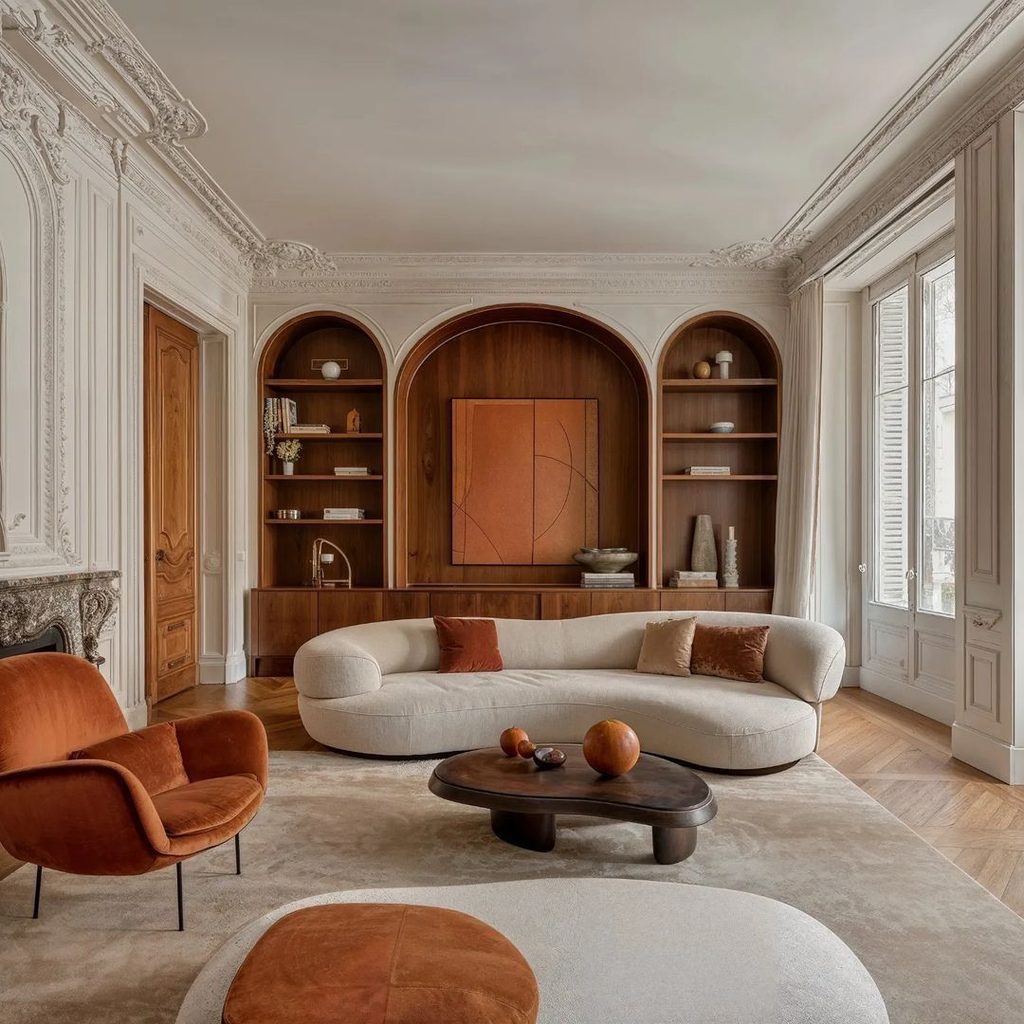
3. Warm Minimalism and Quiet Luxury
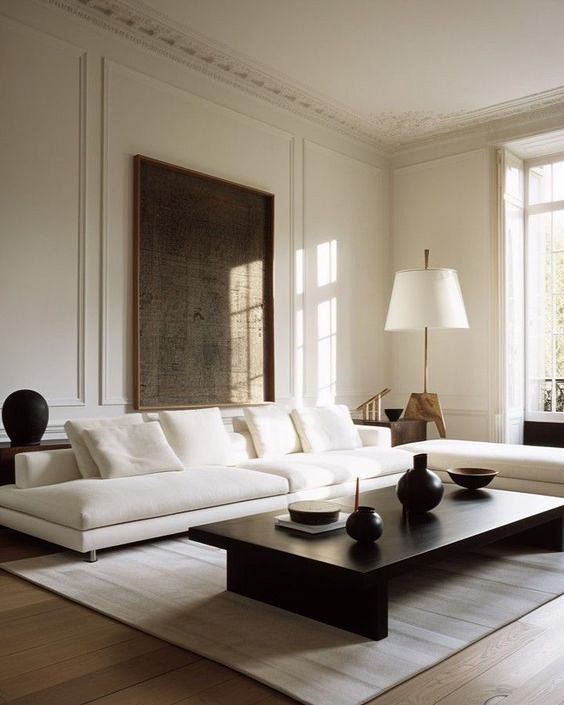
While expressive interiors gain attention, warm minimalism continues to shape residential design.
This direction maintains visual calm while introducing deeper color, tactile surfaces and materials that age with character. Linen, travertine, natural wood, plaster and patinated metals create depth without making a room feel visually heavy.
Design reporting throughout 2026 has emphasized warmth, soft silhouettes, craftsmanship and lived-in personality. Curves, hand-worked finishes, earth-toned colors and aged metals are replacing colder, highly polished interpretations of minimalism.
Quiet luxury follows a similar logic. Its impact comes from proportion, execution and material quality. The room can feel restrained while still carrying warmth, individuality and presence.
4. Curves as a Shared Design Language
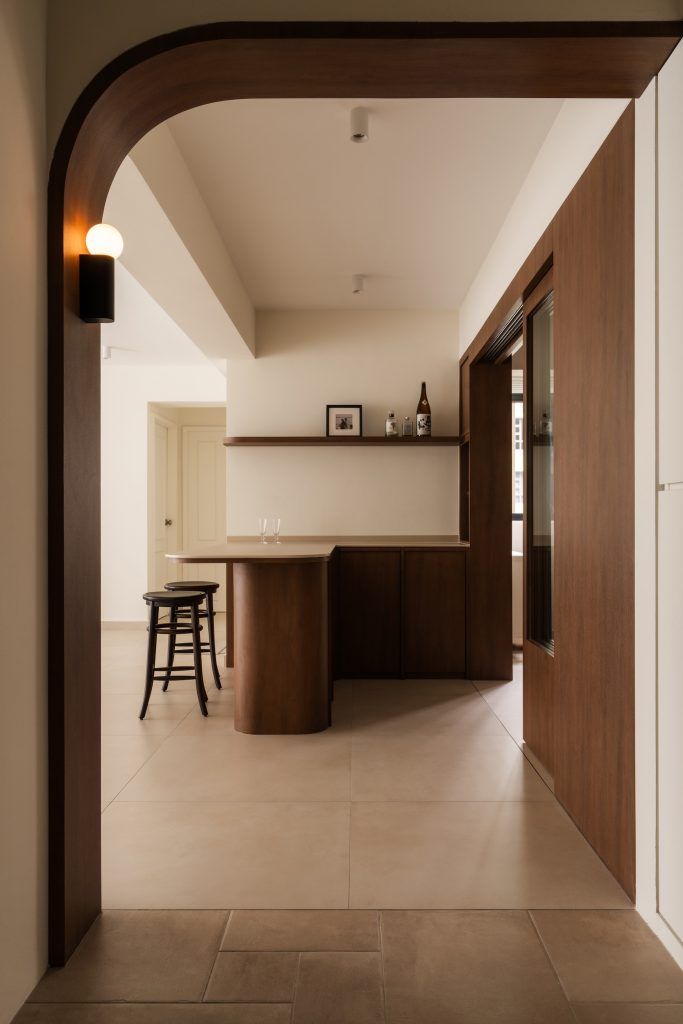
Curves are one of the clearest points of connection between expressive maximalism and warm minimalism.
In playful interiors, they appear through exaggerated sofas, rounded objects and sculptural forms. In quieter spaces, curves soften the architecture through rounded islands, arched openings, curved furniture and fluid millwork.
Houzz reported growing interest in rounded silhouettes and wave-like architectural details during 2026, including increased searches for scalloped and wave-shaped surfaces.
This makes curved design one of the most versatile directions moving toward 2027. It can feel dramatic, calm, retro or contemporary depending on its scale, color and surrounding materials.
At Boa Vista, this language can be translated into curved MDF panels, rounded cabinetry, sculptural wall systems and transitions developed specifically for the proportions of the room.
5. The Checkerboard Revival
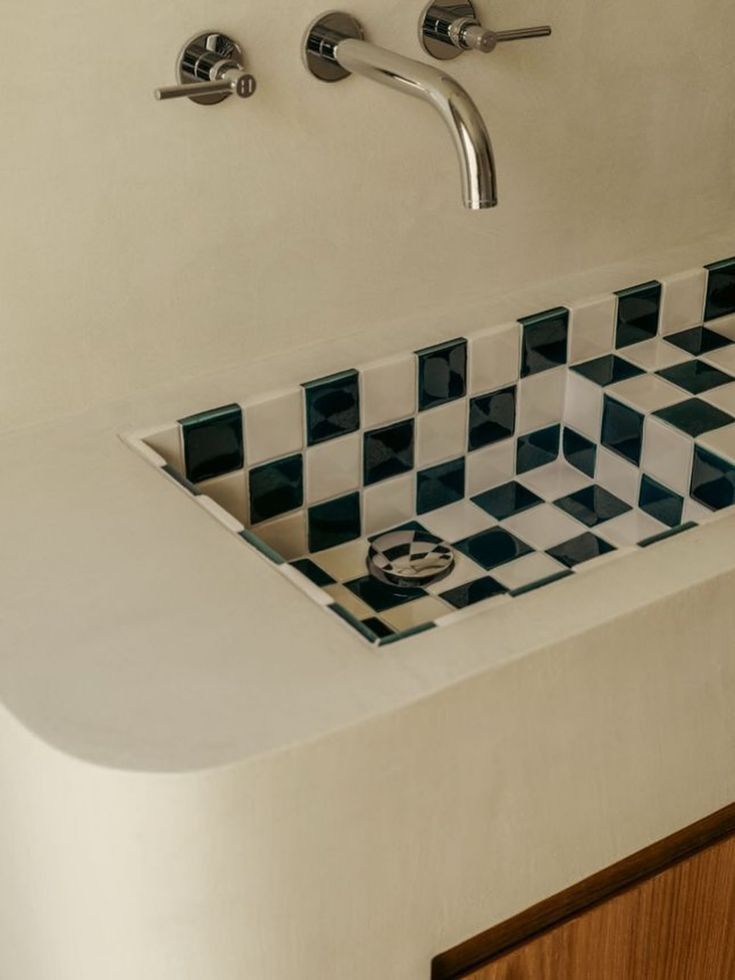
Checkerboard has returned with a more mature and adaptable presence.
The classic black-and-white version creates a graphic focal point and works naturally within bold, playful interiors. Cream-and-brown combinations soften the geometry, giving the pattern a warmer and quieter character.
Design publications have highlighted the pattern’s return across floors, furniture, textiles and decorative surfaces, with new interpretations using varied scales, colors and materials.
Its versatility allows it to move between very different design personalities. A strong contrast creates energy, while tonal combinations introduce rhythm without dominating the room.
6. Lighting and Decorative Objects as Art
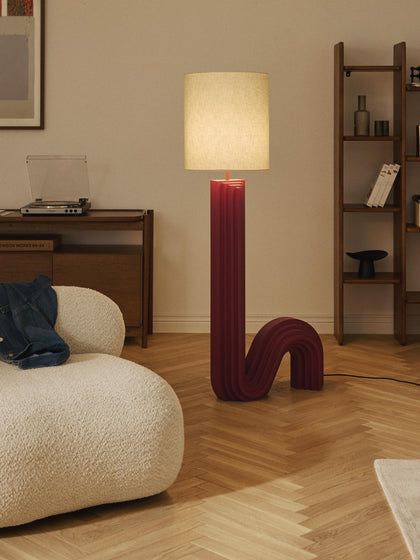
Lighting is becoming increasingly sculptural.
A pendant, floor lamp or wall light can establish the visual identity of a room even when it is switched off. Recent lighting launches have emphasized stacked forms, curved structures, visible suspension systems and fixtures designed to create atmosphere as well as illumination.
Decorative objects are following the same direction. Large vessels, handmade ceramics and unusually shaped vases are being treated as independent works of art. Their silhouette, scale and craftsmanship give them enough presence to anchor a composition without relying on traditional wall artwork.
This shift works across both major design directions. A colorful, surreal lamp can energize a maximalist room, while a single sculptural vessel can give a minimalist space its defining focal point.
Designing Beyond the Trend
The most successful interiors use trends as references rather than instructions.
A home may combine warm minimalism with a dramatic checkerboard floor. A quiet kitchen may include an iridescent light fixture. A colorful living room may be balanced by precise architectural lines and custom-built storage.
Personalization gives these ideas longevity. Scale, proportion, routine and context determine whether a trend becomes a natural part of the home or simply a temporary visual effect.
At Boa Vista, custom cabinetry and millwork allow these influences to be translated into spaces with their own identity. Through curved panels, distinctive finishes, integrated lighting and tailored compositions, each design direction can be adapted to the people and architecture behind the project.
Explore the possibilities for your home with Boa Vista Charlotte.
